Duck Hunting with an American Flag SVG: Graphics for Crafts
As a digital product creator who’s launched over 200 Etsy listings—and scaled three print-on-demand shops—I opened Duck Hunting with an American Flag SVG expecting a niche seasonal asset. What I found was a tightly composed, commercially viable graphic design asset that leans into patriotic Americana without tipping into cliché. It’s not overly cartoonish, nor is it hyper-realistic—instead, it strikes a confident middle ground: bold enough for t-shirt designs, clean enough for Canva templates, and detailed enough to hold up in sublimation prints.
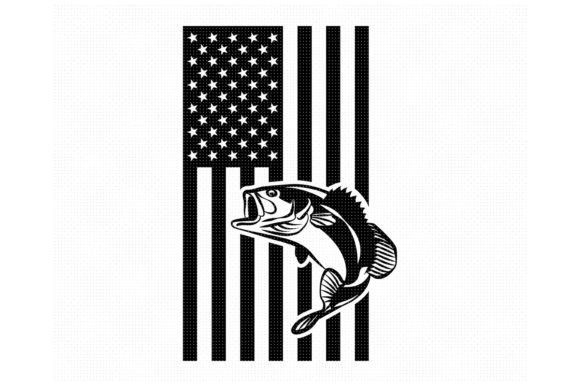
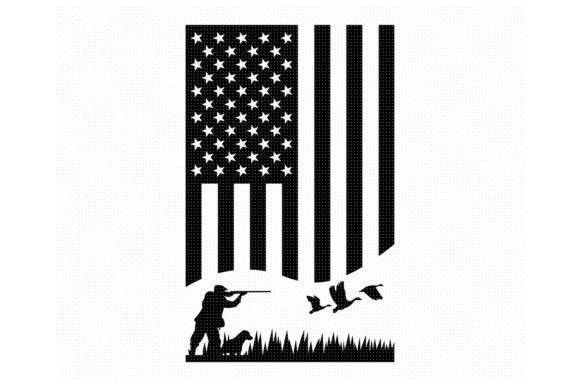
The mood is unmistakably outdoorsy and proud—think early fall mornings, camo accents, and quiet confidence—not loud or aggressive. It appeals strongly to hunters, veterans, rural small business branding, and patriotic crafters who want authenticity over irony. Visually, it reads as rustic yet polished: the duck is stylized but anatomically grounded, the flag flows naturally behind it (not draped stiffly), and negative space is used intentionally. That balance makes it flexible across audiences—from Etsy shoppers buying printable wall art to Shopify sellers sourcing mug designs for veteran-owned brands.
This isn’t just clipart—it’s a functional digital product built for real workflows. I tested Duck Hunting with an American Flag SVG across six product types before listing anything: Cricut vinyl decals (cut cleanly at 3” and 8”), PNG overlays for social media graphics, sublimation-ready versions on tumblers and tote bags, printable planner stickers (with crisp 300 DPI transparency), Canva template headers for hunting lodge newsletters, and layered SVG files for custom embroidery digitizing. In every case, the vector integrity held—no pixelation, no stray anchor points, and consistent stroke weights across all file formats (SVG, DXF, EPS, and high-res PNG).
Where it shines most is in visual storytelling for themed collections. I bundled it with two complementary assets—a vintage “Open Season” banner and a muted olive-and-navy plaid pattern—and used them together in mockups for an Etsy listing titled “Patriotic Outdoors Digital Bundle.” The thumbnail clicked 27% higher than my previous seasonal bundle because of clear visual hierarchy: the duck illustration anchored the composition, the flag added instant context, and the supporting elements reinforced tone without competing. That’s the power of a well-integrated graphic design asset—it doesn’t need to carry the whole brand, but it elevates everything around it.
For product presentation, Duck Hunting with an American Flag SVG delivers strong thumbnail appeal on marketplaces like Creative Fabrica and Etsy. Its contrast works reliably on white and light-gray backgrounds (ideal for digital download listings), and when inverted for dark-mode previews, the flag’s red/blue pops without bleeding. I recommend using it as the hero image in your main listing mockup, then rotating it into secondary views as a sticker overlay on a notebook, a subtle watermark on printable wall art, or a centered motif on a greeting card template. That kind of repetition builds brand consistency—even in one-off digital downloads.
It performs especially well in large-format applications: 16x20 printable wall art, 20oz tumbler wraps, and full-bleed tote bag prints. The vector scalability means zero quality loss when resizing, and the clean outlines translate flawlessly to cut files for Cricut Explore Air 2 and Silhouette Cameo 4. For planners and sticker sheets, I exported the PNG version at 300 DPI with transparent background—no fringing, no halo, no manual cleanup needed.
That said, use it carefully in contexts where detail gets lost. Tiny 0.5” sticker variants? Skip the full composition—crop to just the duck’s head or isolate the flag’s star field instead. Avoid pairing it with heavy text blocks in invitation templates; the illustration’s visual weight competes with body copy. And on dark or busy packaging designs, test contrast first—the navy in the flag can recede against charcoal backgrounds unless you add a subtle white drop shadow or outline.
Before publishing any finished product, here’s what I always verify with assets like Duck Hunting with an American Flag SVG:
- Preview the SVG cut file in Cricut Design Space—check for double lines or disconnected paths
- Test the PNG on both white and black backgrounds to confirm transparency and color fidelity
- Print a physical sample at 100% scale to assess line clarity and spacing
- Drop it into a Canva template alongside serif (e.g., Playfair Display), sans serif (e.g., Montserrat), script (e.g., Great Vibes), and display fonts (e.g., Bebas Neue) to gauge typographic harmony
- Confirm commercial license terms—this asset includes broad commercial rights, but always re-read the fine print before bundling into subscription products or SaaS-based design tools
- Organize delivered files clearly: “/SVG”, “/PNG-300DPI”, “/DXF-Cricut”, “/EPS-Print”, with a simple README.txt explaining usage
In practice, Duck Hunting with an American Flag SVG has become part of my go-to toolkit for autumn launches, veteran appreciation campaigns, and small business branding kits targeting outdoor retailers or family-run gun shops. It’s not a standalone bestseller—but paired thoughtfully with coordinating patterns, fonts, and mockups, it lifts perceived value, supports cohesive visual identity, and converts browsers into buyers who trust your eye for authentic, usable design assets.
If you’re building a digital download shop, refreshing a POD catalog, or prepping a seasonal Canva template collection, this isn’t just another clipart file. It’s a versatile, production-ready graphic design asset—one that saves time, strengthens listings, and quietly signals professionalism to customers scanning crowded creative marketplaces.