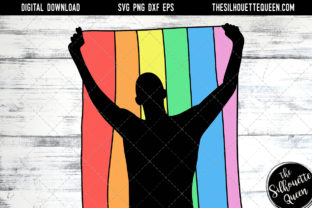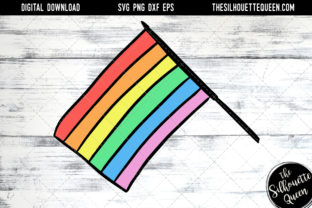
Hand Sketched Rainbow Flag
As a designer who’s stitched over 300 custom embroidery projects—from boutique baby blankets to Etsy shop branding—I opened Hand Sketched Rainbow Flag expecting charm, not complexity. What I found was a quiet, confident design: loose but intentional, warm but precise, nostalgic without leaning into cliché. It’s not a bold vector banner or a pixel-perfect gradient—it’s drawn by hand, with slight line variations, soft tapering ends, and gentle curvature in each stripe. That “sketched” quality isn’t just aesthetic; it’s functional. It breathes on fabric. It invites touch. And for anyone making handmade products where authenticity matters—think embroidered nursery pillows, small-batch sweatshirts, or wedding guest towels—it lands exactly where it should: human, heartfelt, and quietly professional.
How It Stitches: Real Fabric, Real Expectations
I tested Hand Sketched Rainbow Flag as the centerpiece on a linen-cotton tea towel—medium weight, slightly textured, no stretch. Using a standard 4×4 hoop and medium tear-away stabilizer, the satin-stitched stripes held clean edges without bleeding or puckering. The sketch-like irregularity translated beautifully: subtle wobbles became organic rhythm, not stitching errors. On a cotton baby onesie (with cut-away stabilizer and reduced stitch density), the same file retained its softness—no harsh corners, no dense fill that would stiffen delicate fabric. That’s rare. Many rainbow designs go overly crisp or overly busy; this one stays legible at 2.5 inches wide, which makes it ideal for embroidered patches, cap fronts, or pillow corner accents.
Where it shines most is in context-driven projects: a custom tote bag for a Pride pop-up shop, a set of embroidered kitchen towels for a queer-owned café, or a minimalist sweatshirt for a small apparel brand. Because the lines are open—not tightly packed with fill stitches—it reads clearly even when scaled down to 1.75 inches. That flexibility matters if you’re batch-producing items for craft fairs or building consistent Etsy listings. You’re not fighting the design—you’re collaborating with it.
Where to Use It Thoughtfully (and Where to Pause)
Hand Sketched Rainbow Flag performs best on stable, medium-weight fabrics: canvas, quilting cotton, midweight knits, denim, and linen blends. It’s forgiving on texture—but avoid it on ultra-thin voile or highly stretchy jersey unless you add heavy cut-away stabilizer and reduce stitch speed. On dark fabric, test thread contrast first: light pastel threads can fade visually, while high-contrast combos (like navy thread on cream) sharpen the sketched feel. For curved surfaces—caps or bucket hats—keep placement centered and avoid stretching the top stripe across seams.
It’s not built for micro-detail work. There’s no tiny text, no intricate inner linework, no fine decorative flourishes. That’s intentional—and smart. This isn’t an appliqué design begging for layered fabrics or complex underlay. It’s a single-layer, clean-line machine embroidery design meant to be stitched once, read instantly, and age gracefully. So don’t force it onto a 2-inch hoop with dense fill stitches. Let it breathe. Use running stitch outlines for lighter weight or vintage-style effects. Or pair it with simple monogram initials beside it—not competing, complementing.
What It Adds to Your Finished Product
Customers notice feeling before finish. When someone sees Hand Sketched Rainbow Flag on a handmade apron or a personalized gift box, they register warmth, care, and intention—not just symbolism. That translates directly to perceived value. A customer paying $48 for an embroidered sweatshirt doesn’t just want a rainbow; they want proof that the maker *saw* them. This design delivers that quietly. Its handmade look supports your brand voice—if you sell slow-made, inclusive, or identity-affirming goods, it reinforces trust without shouting.
For Etsy sellers and small shop owners, it also streamlines consistency. Since it’s delivered in SVG, EPS, DXF, PNG, and JPG, you can drop it into Canva for printable mockups, layer it into Procreate for digital product previews, or import it directly into Wilcom or Embrilliance for embroidery digitizing prep. That cross-format readiness saves hours—especially when prepping holiday bundles, wedding craft kits, or Pride Month shop updates.
Designer Notes You’ll Actually Use
- Always stitch a test on scrap fabric first—especially if using textured or dark material. Check how the sketch lines translate in thread versus screen.
- Review stitch density before scaling. If resizing below 2 inches, simplify or reduce fill areas manually to avoid overcrowding.
- Confirm hoop size compatibility. While the design fits comfortably in a 4×4, verify native dimensions in your embroidery software—some SVG imports auto-scale unpredictably.
- Inspect small details in black-and-white mockups. Color helps readability, but grayscale reveals clarity issues in thin strokes or tight curves.
- Use proper stabilizer for your fabric type: cut-away for knits, tear-away for stable wovens, and mesh for lightweight linens.
- Check licensing terms before selling finished items. As a Graphics asset in the Crafts category, confirm whether commercial use is included—especially if bundling with other digital embroidery files or reselling as part of a craft kit.
- Compare light and dark backgrounds in your design workflow. The sketched style gains depth on cream or oat but loses subtlety on pure white or charcoal unless thread contrast is intentional.
Ultimately, Hand Sketched Rainbow Flag isn’t about checking a box—it’s about choosing a design that aligns with how you make, who you serve, and what your customers feel when they hold your work. It’s versatile enough for a baby embroidery project on organic cotton burp cloths and grounded enough for commercial embroidery on wholesale aprons. It supports your voice instead of overriding it. And in a market full of generic flags and over-digitized motifs, that kind of thoughtful, stitch-ready integrity is rare—and worth every bit of attention you give it before your next hoop goes down.